Primate Pantry
Spring 2023
Mechanical Engineering Senior Design
Problem
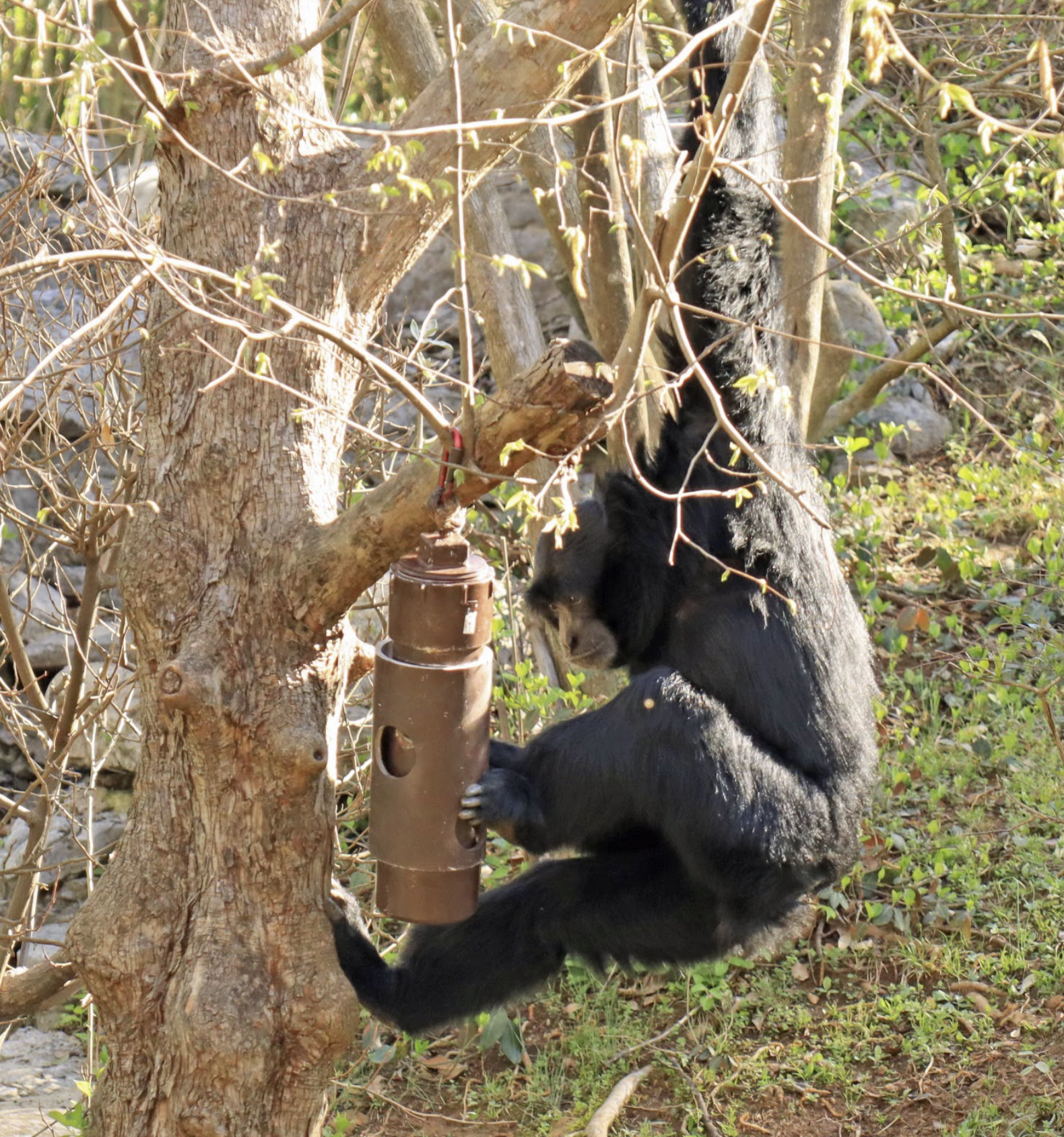
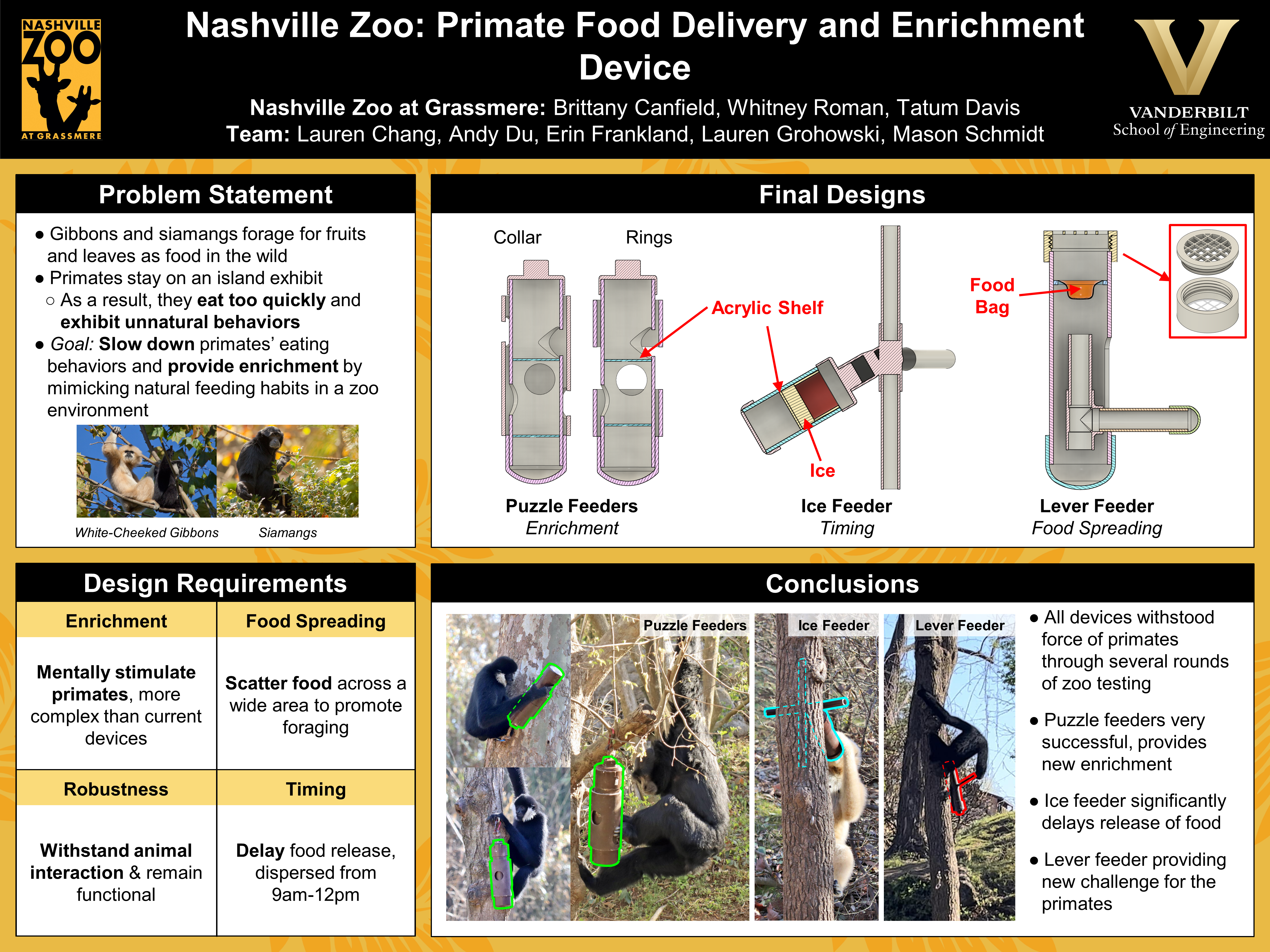
- The Nashville Zoo is home to two types of primates, white cheeked gibbons and siamangs, which are both endangered lesser apes highly motivated by food
- In the wild, these animals forage for fruits and leaves throughout the day in their natural habitat
- However, at the Nashville Zoo, they are placed on an island exhibit from 9am until 4pm, when they are brought back to their night house
- As a result, the primates are given their entire diet for the day at 9a
- This means that they tend to eat too quickly and exhibit some unnatural behaviors because they are bored and don’t have to forage for food
- To solve this problem, our sponsors at the zoo asked us to create a series of devices that will help slow down the primates’ eating behaviors and provide enrichment by more closely mimicking their natural feeding habits in this zoo environment
Design Requirements
Enrichment
- The device(s) should mentally stimulate the primates in one or more ways
- This means integrating some sort of puzzle or spreading system, noting that enrichment can be fulfilled by the primates scavenging for their food
- The enrichment provided should be more complex than previous processes used by the Nashville Zoo
Food Spreading
- The device(s) should ideally spread food over as large an area as possible
- The spreading of food is considered a form of enrichment since it forces the primates to scavenge for food, slowing down their eating habits
Timing
- As previously mentioned, the primates tend to eat their food too quickly and exhibit unnatural behaviors as a result from being bored
- Current feeding devices used by the zoo are not able to delay the release of food at all
- Our device should delay the release of food as much as possible, ideally within the range of 9am-12pm
Robustness
- The gibbons and siamangs are considered Class I animals, meaning they are considered inherently dangerous to humans
- As a result, it is critical that any devices built must be safe and robust to withstand both the elements and the force of the primates
- Some of these considerations include:
- Robustness against weather conditions
- No electronic components of any kind
- Use of materials that are food & animal friendly
- Able to withstand intense interaction with strong primates
Video
Solutions
Puzzle Feeders
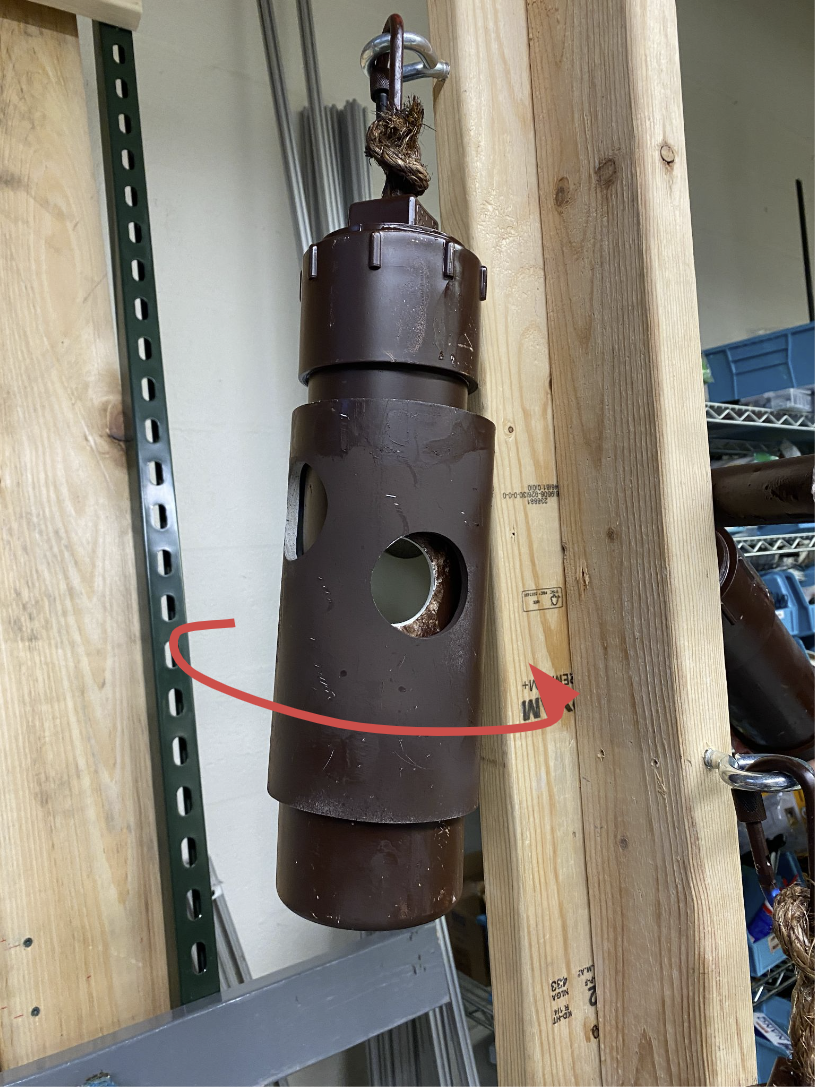
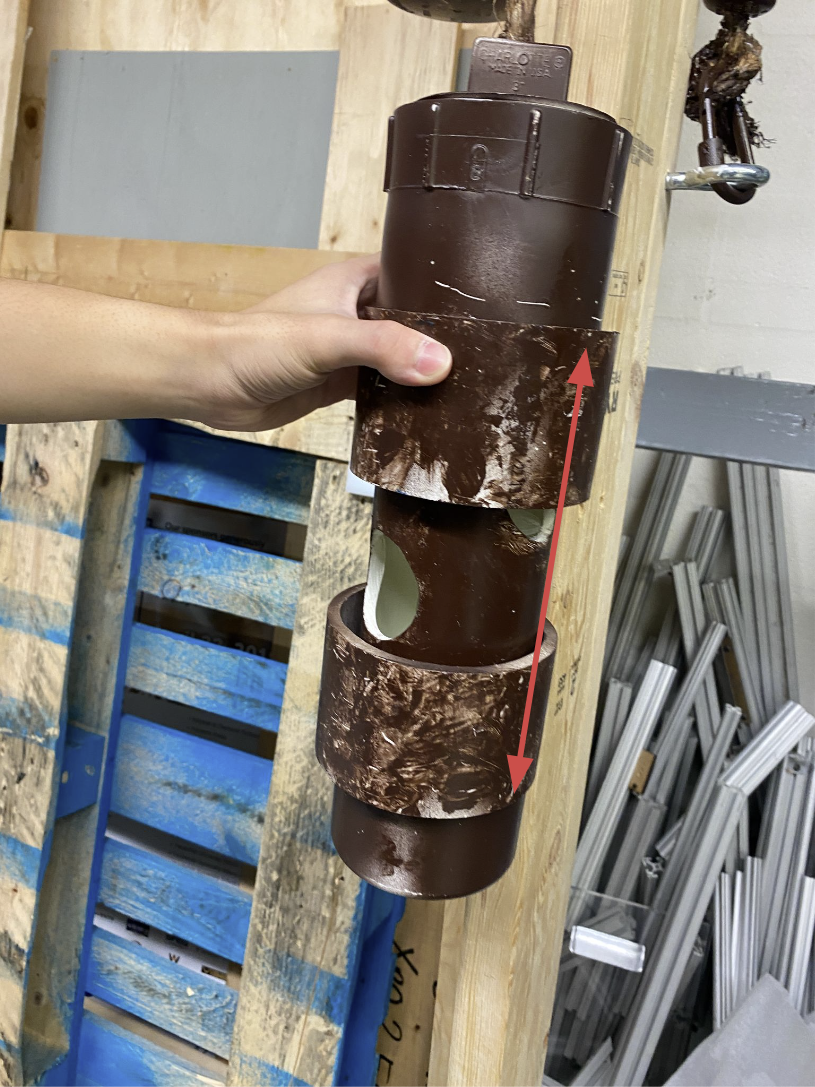
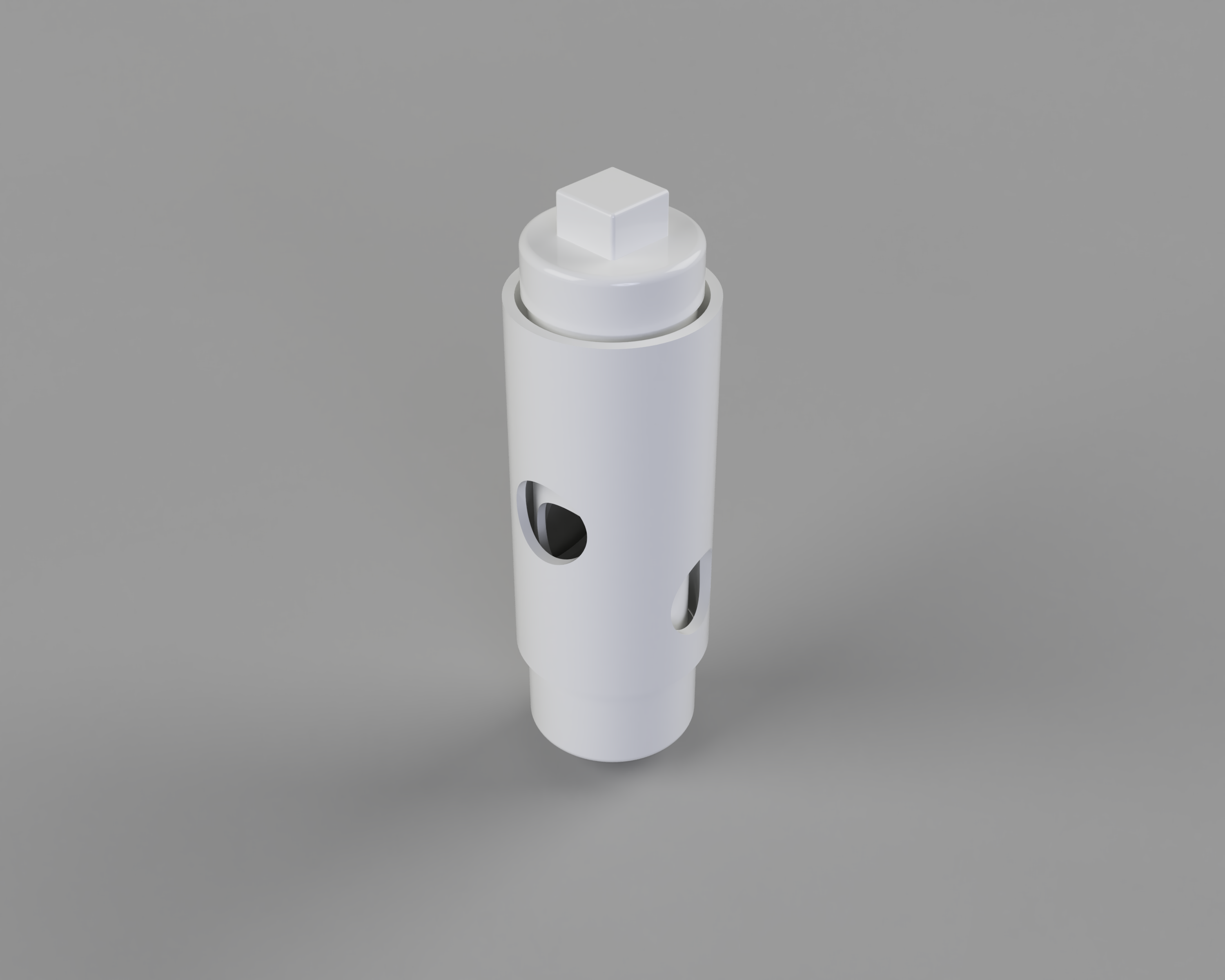
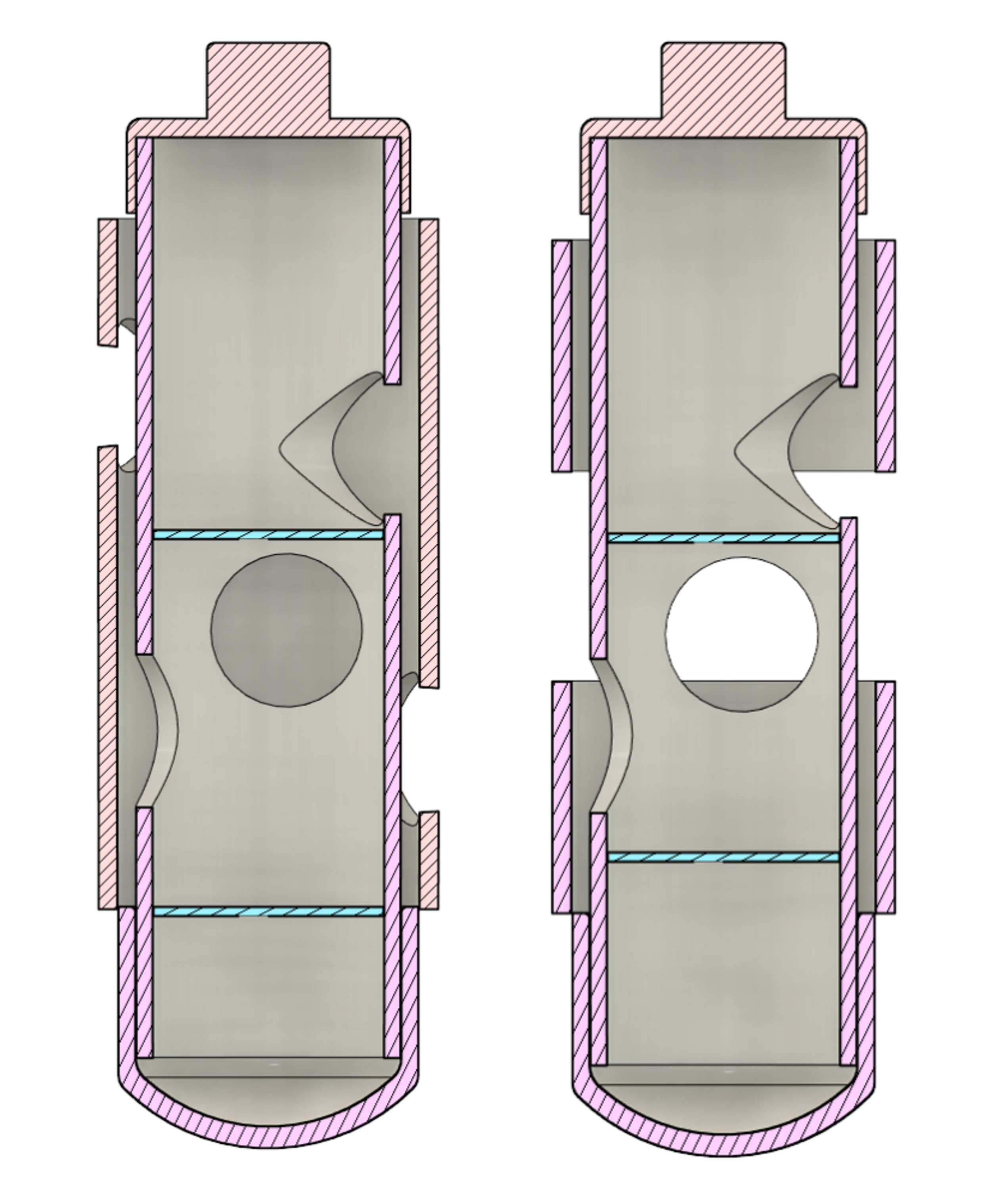
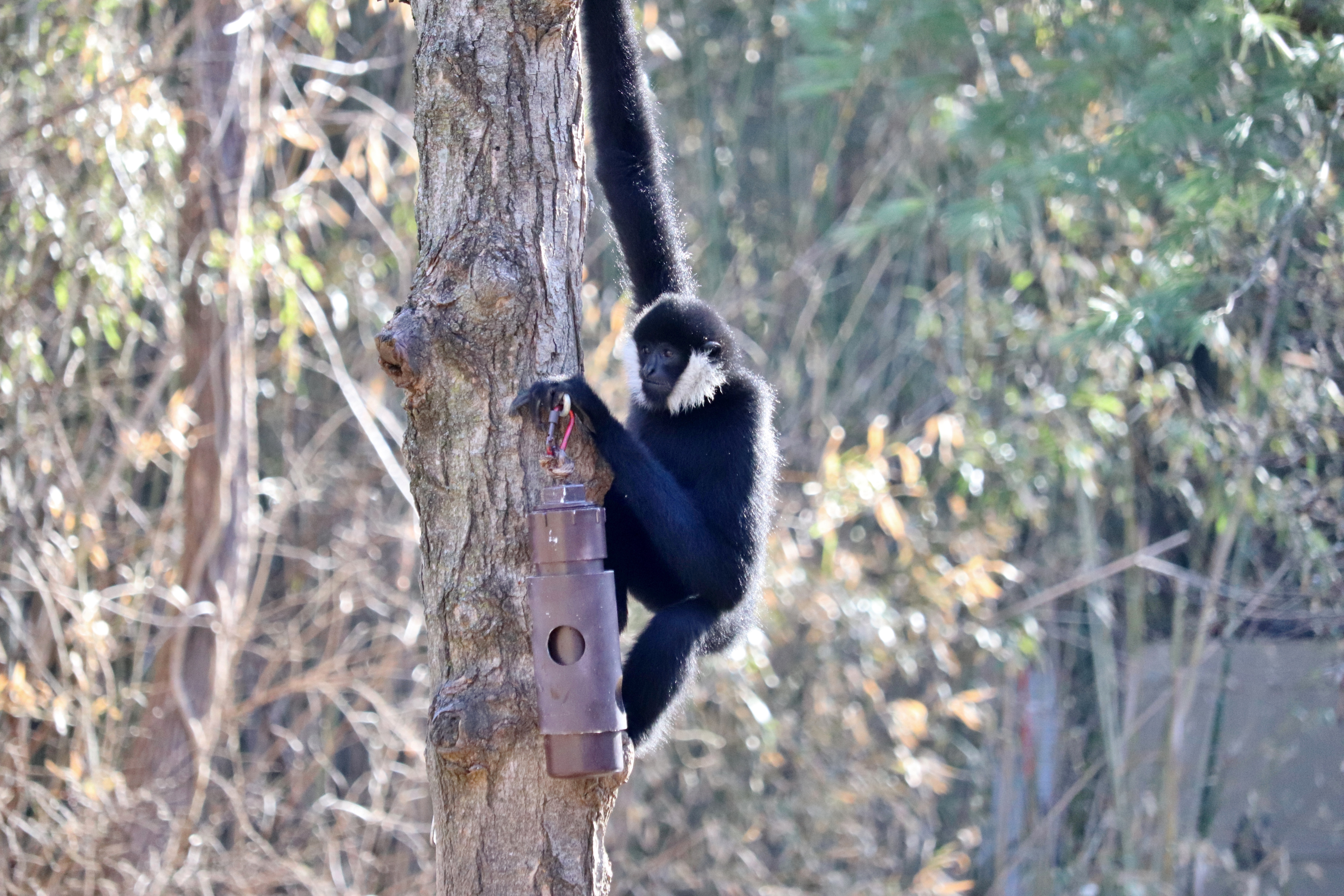
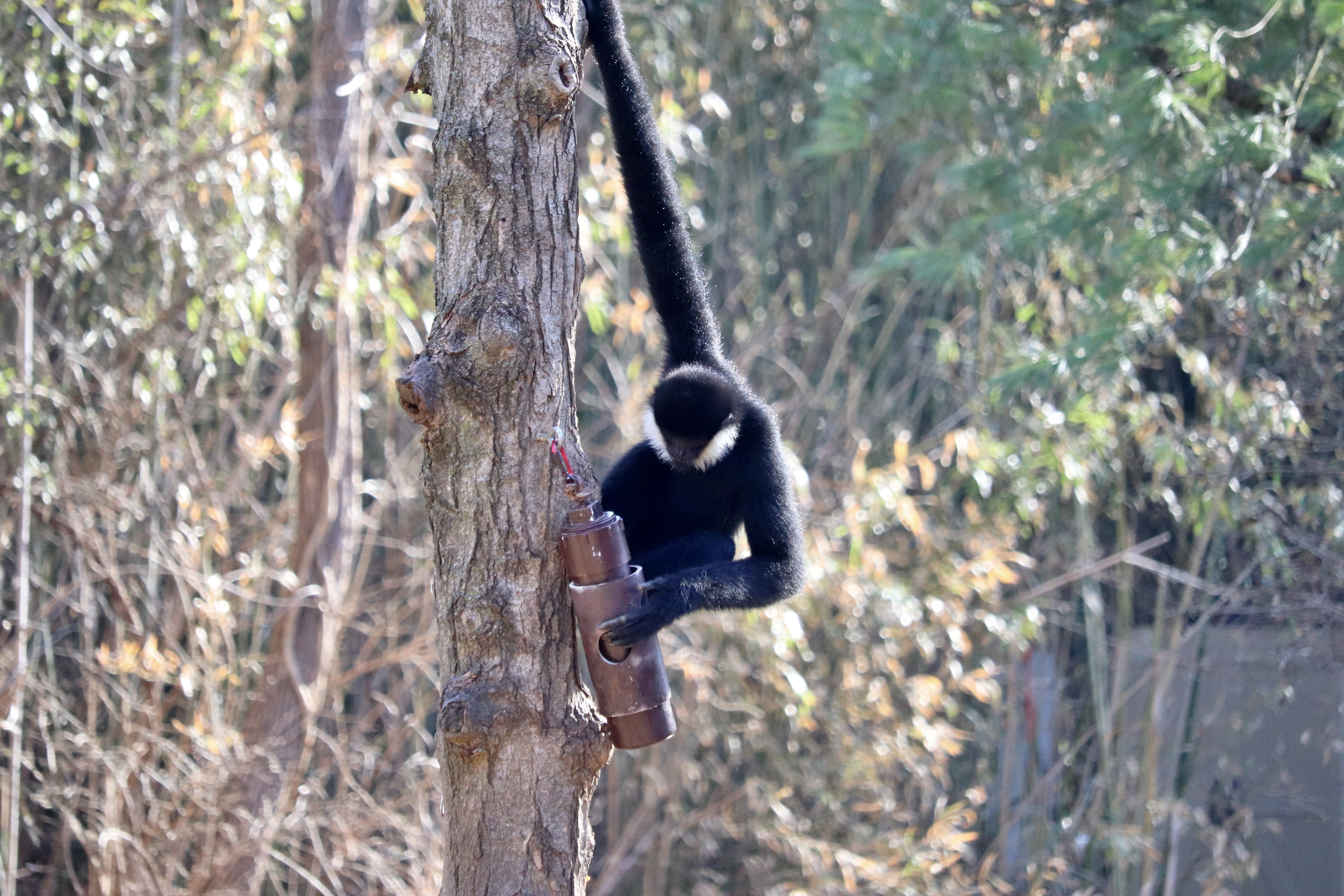
- Two puzzle feeders were developed to focus on enrichment: one with rings, one with a collar
- Each feeder has an inner body with three holes in it and an outer component that obscures these holes in some way
- To remove the food, the inner and outer components must be manipulated, encouraging the primates to engage with the device more than current zoo feeders
- An acrylic shelf was placed halfway up the inside of the body to ensure that both the top and bottom halves of the feeder had food
- This ensured that the primates were forced to interact with both halves of the device instead of just reaching into a single hole to access the food
Timed Ice Feeder
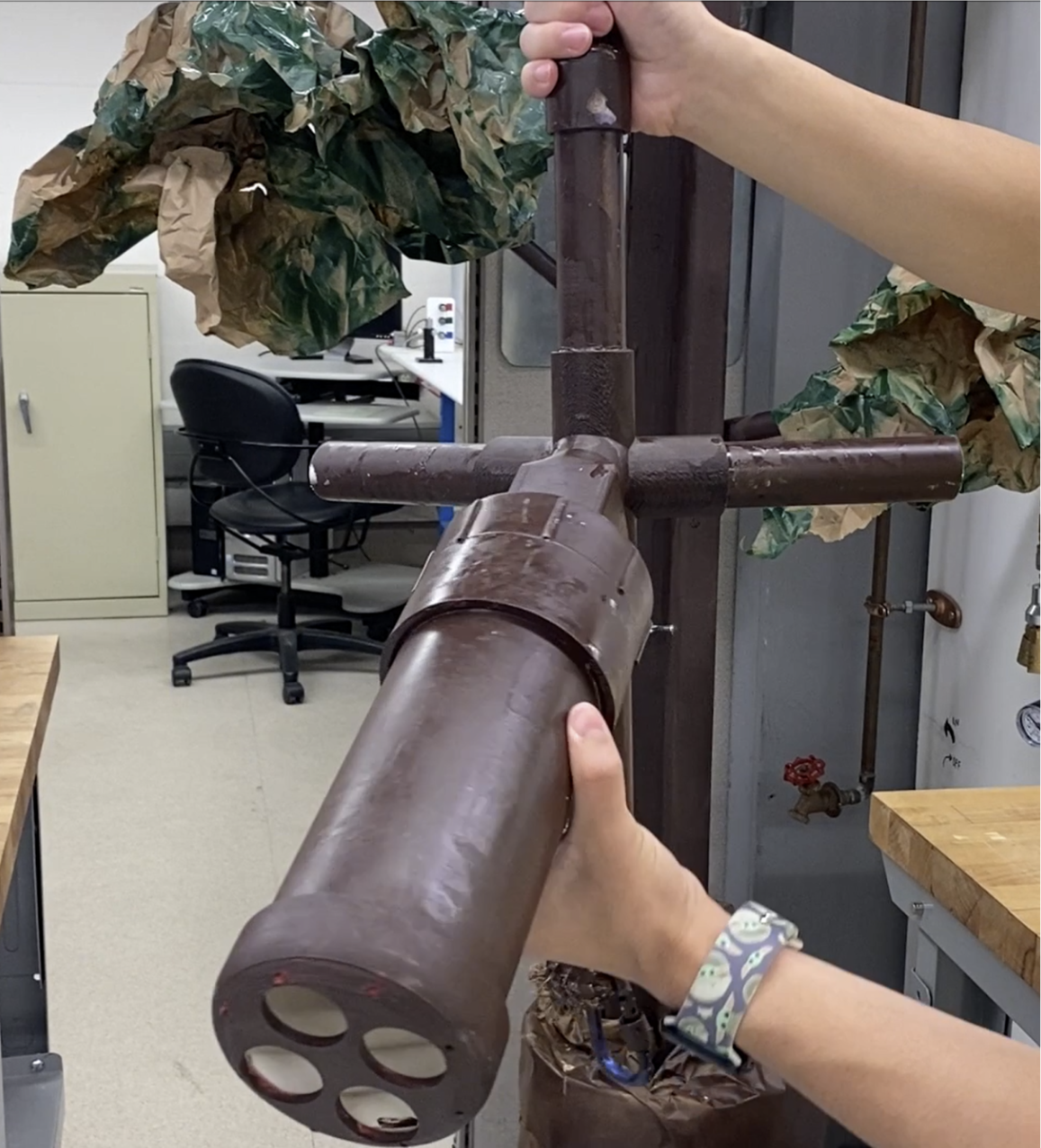
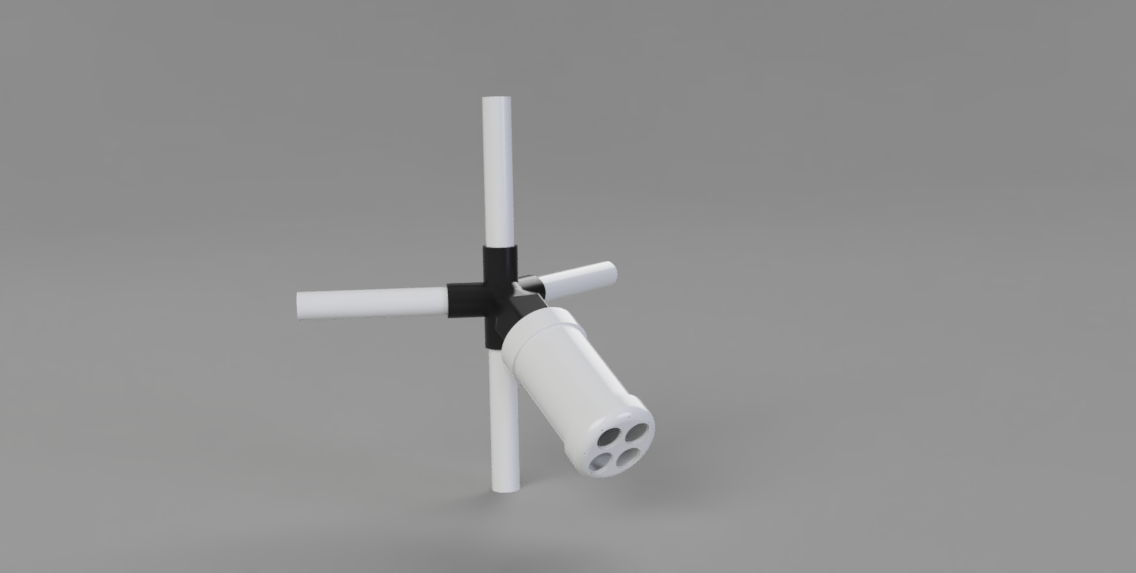
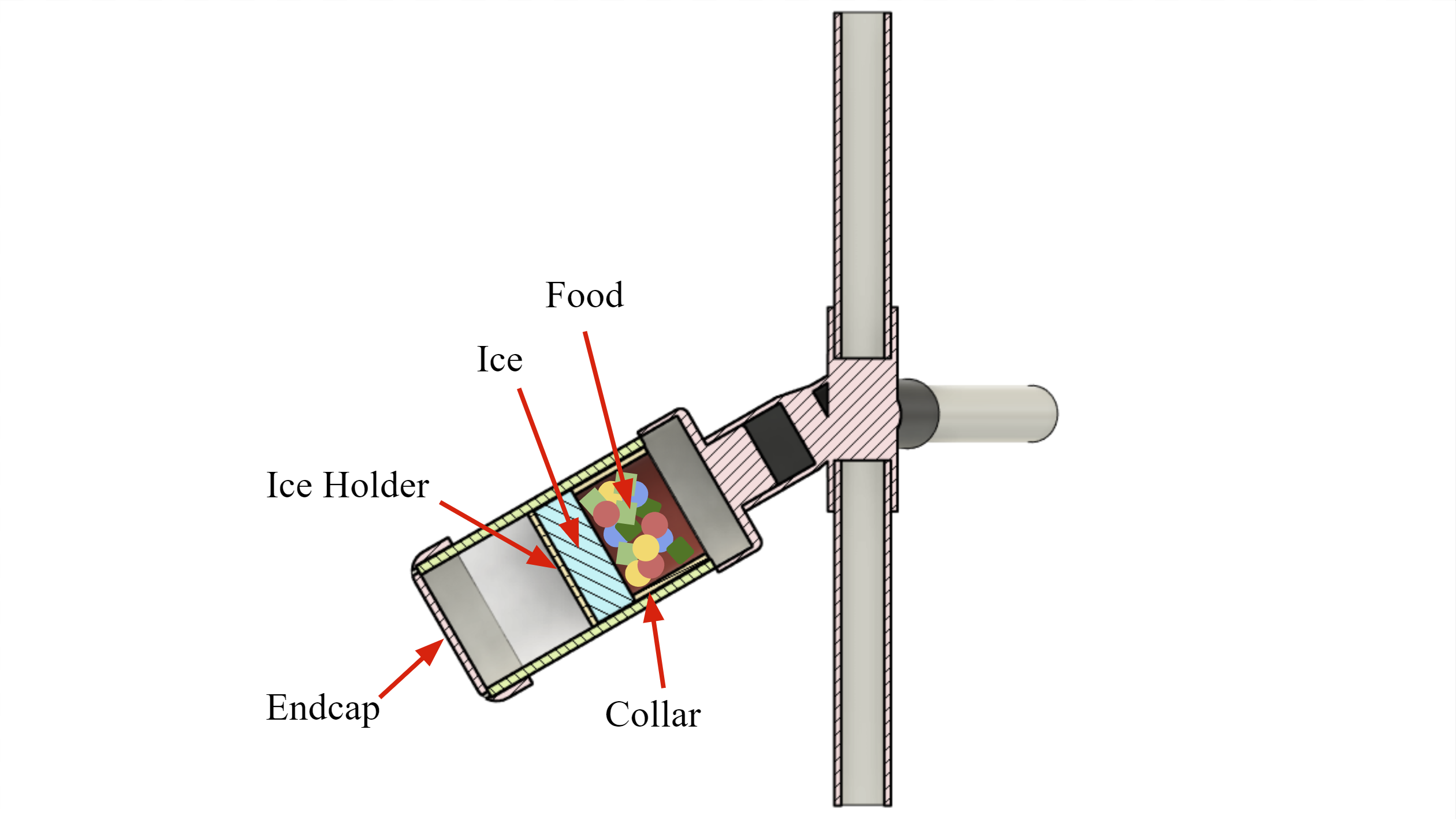
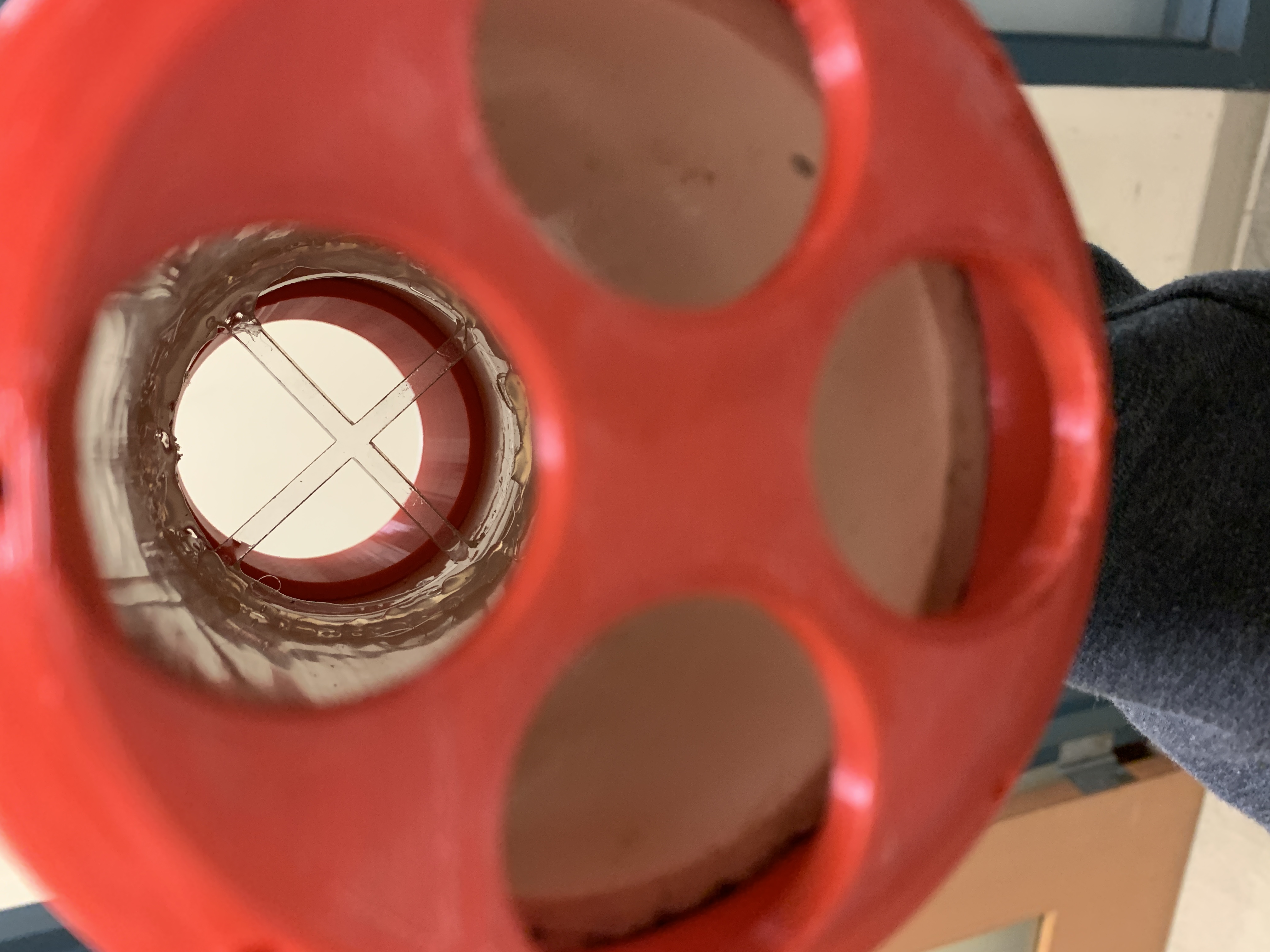
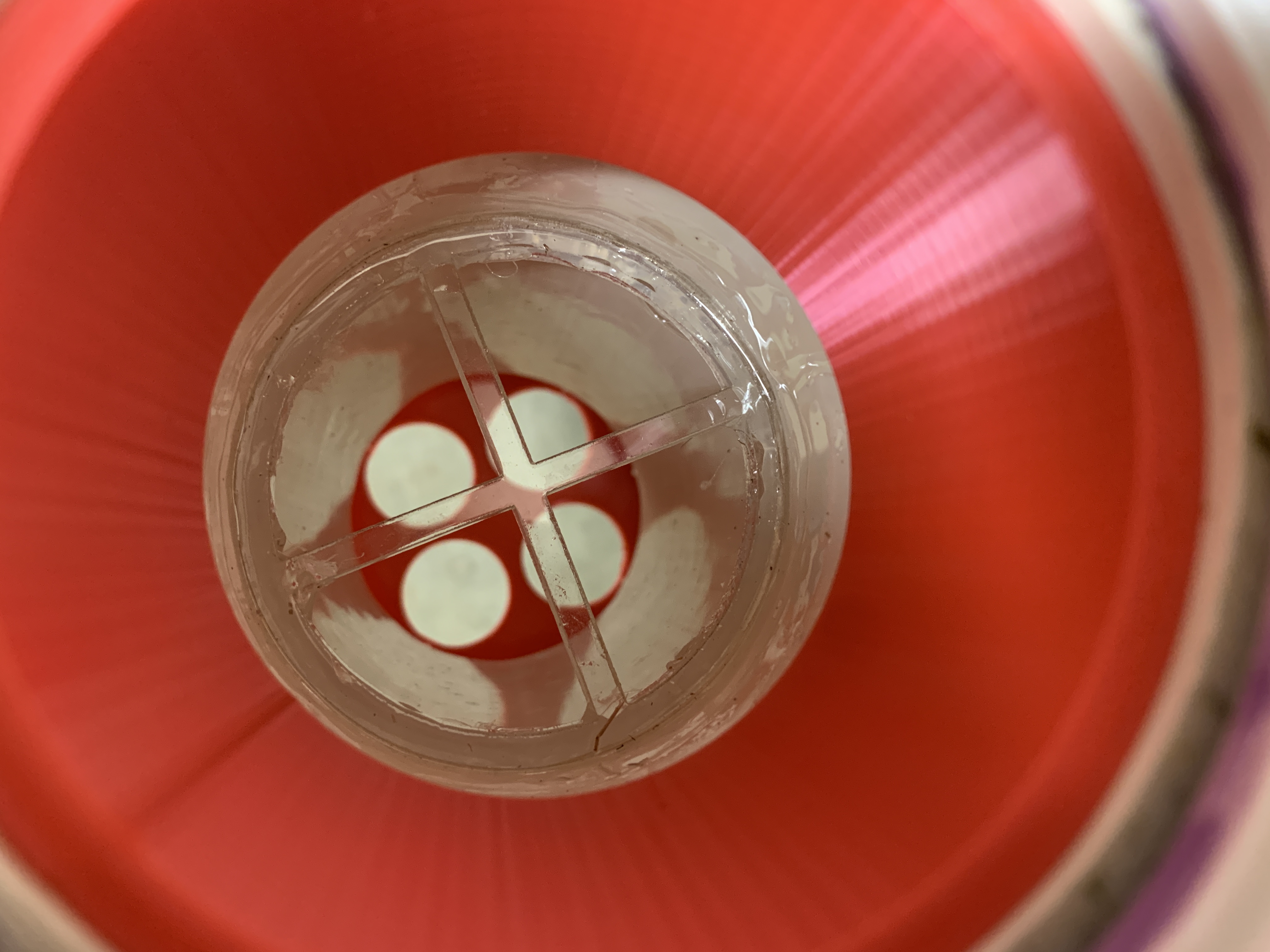
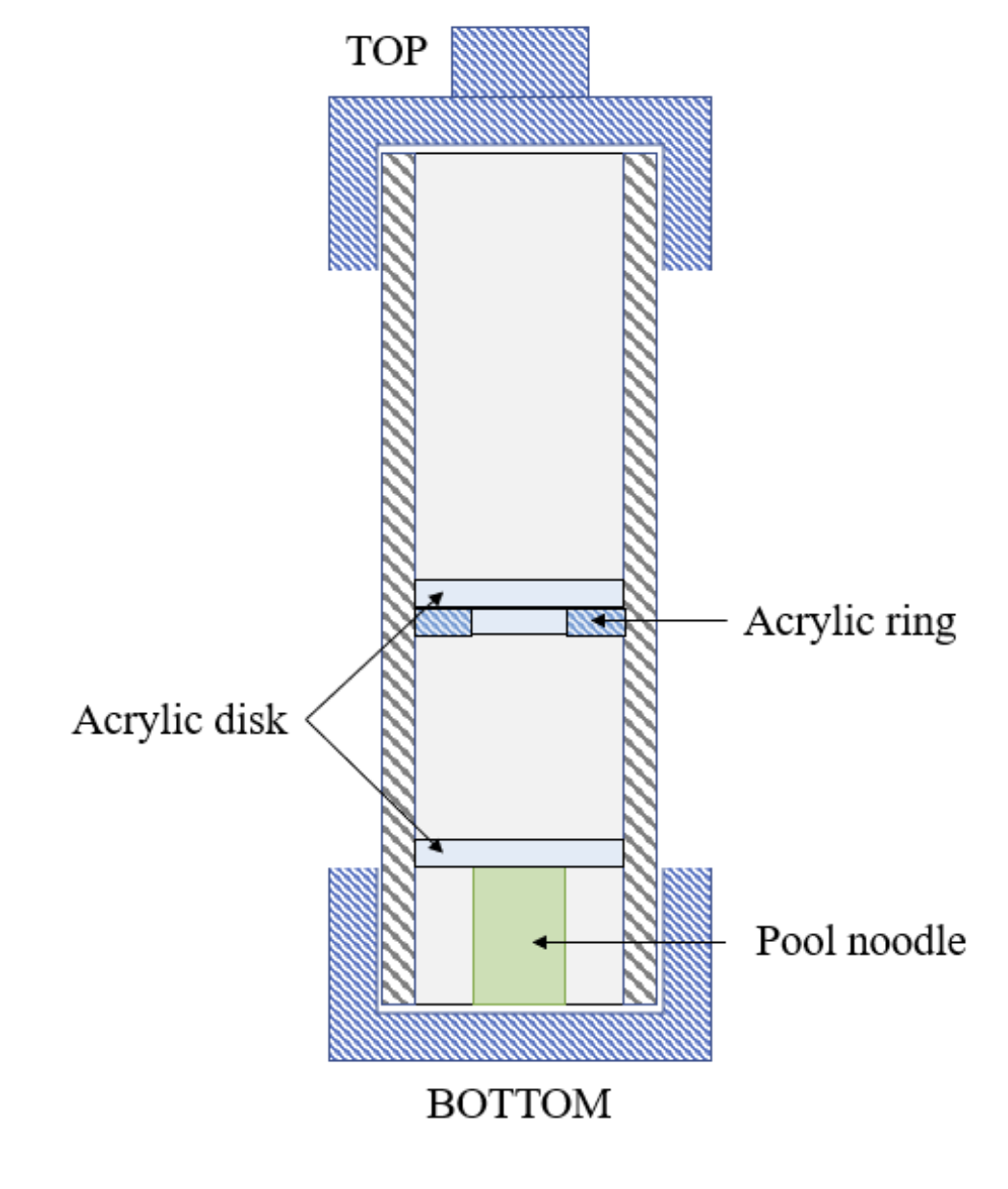
- This device focuses on delaying the release of food using a unique ice timer solution
- An acrylic shelf and 3D printed collar hold a block of ice in place halfway up the food storage component
- The food (small chunks of fruit, Cheerios, nuts, etc.) is stored behind the ice stopper
- Over a few hours, the ice melts, releasing the food into a 3D printed endcap
- This forces the primates to forage for the food later in the day
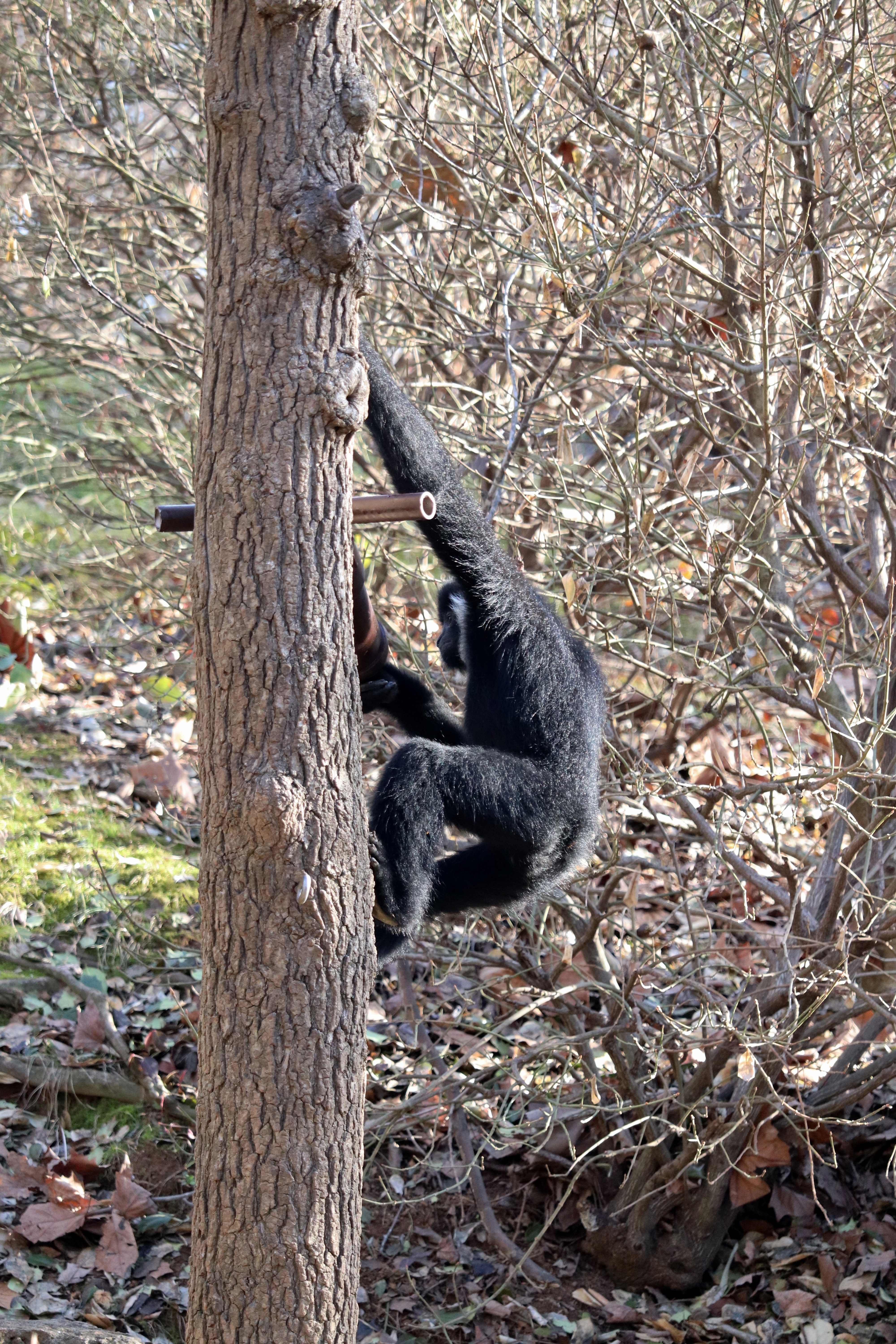
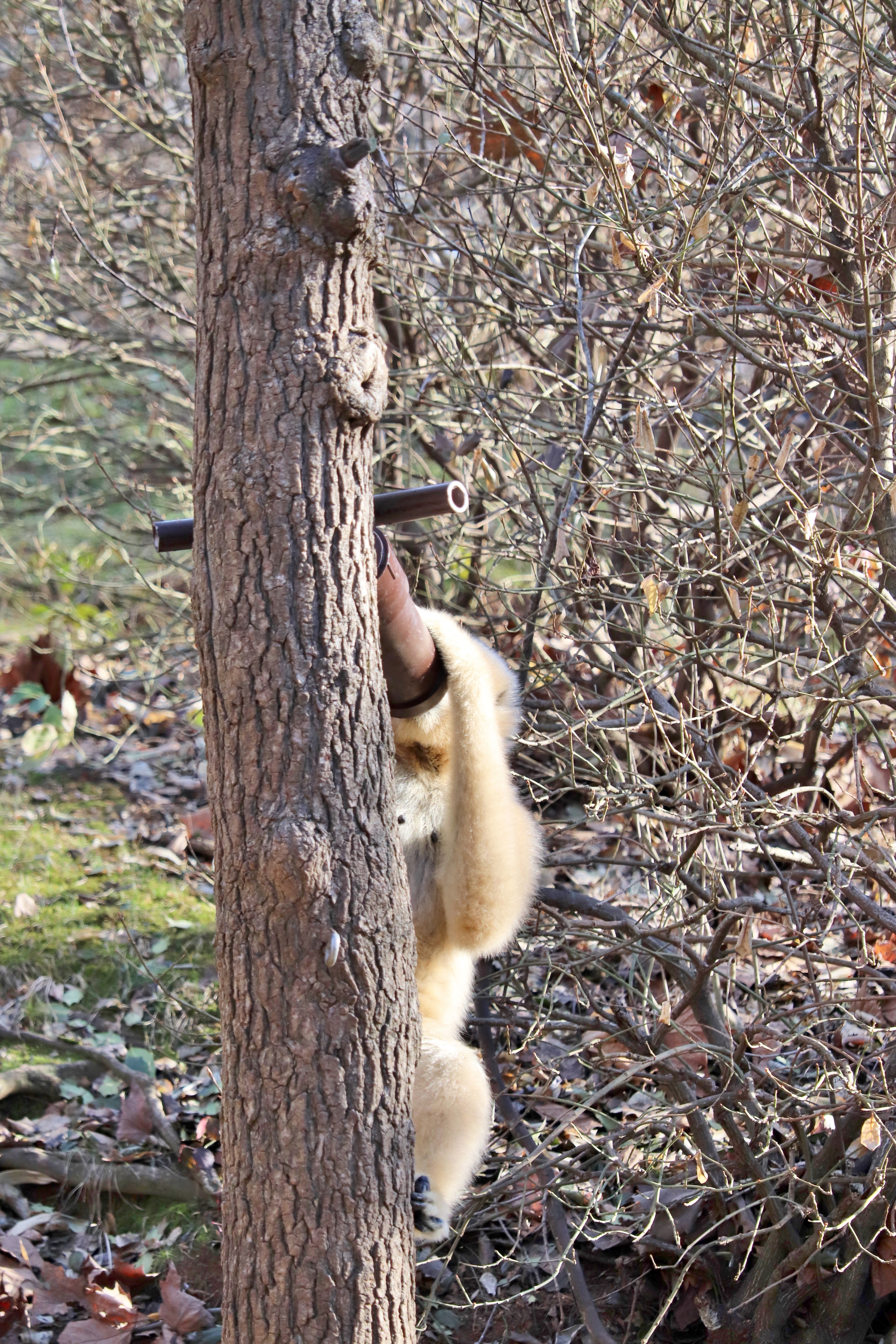
Ice Mold
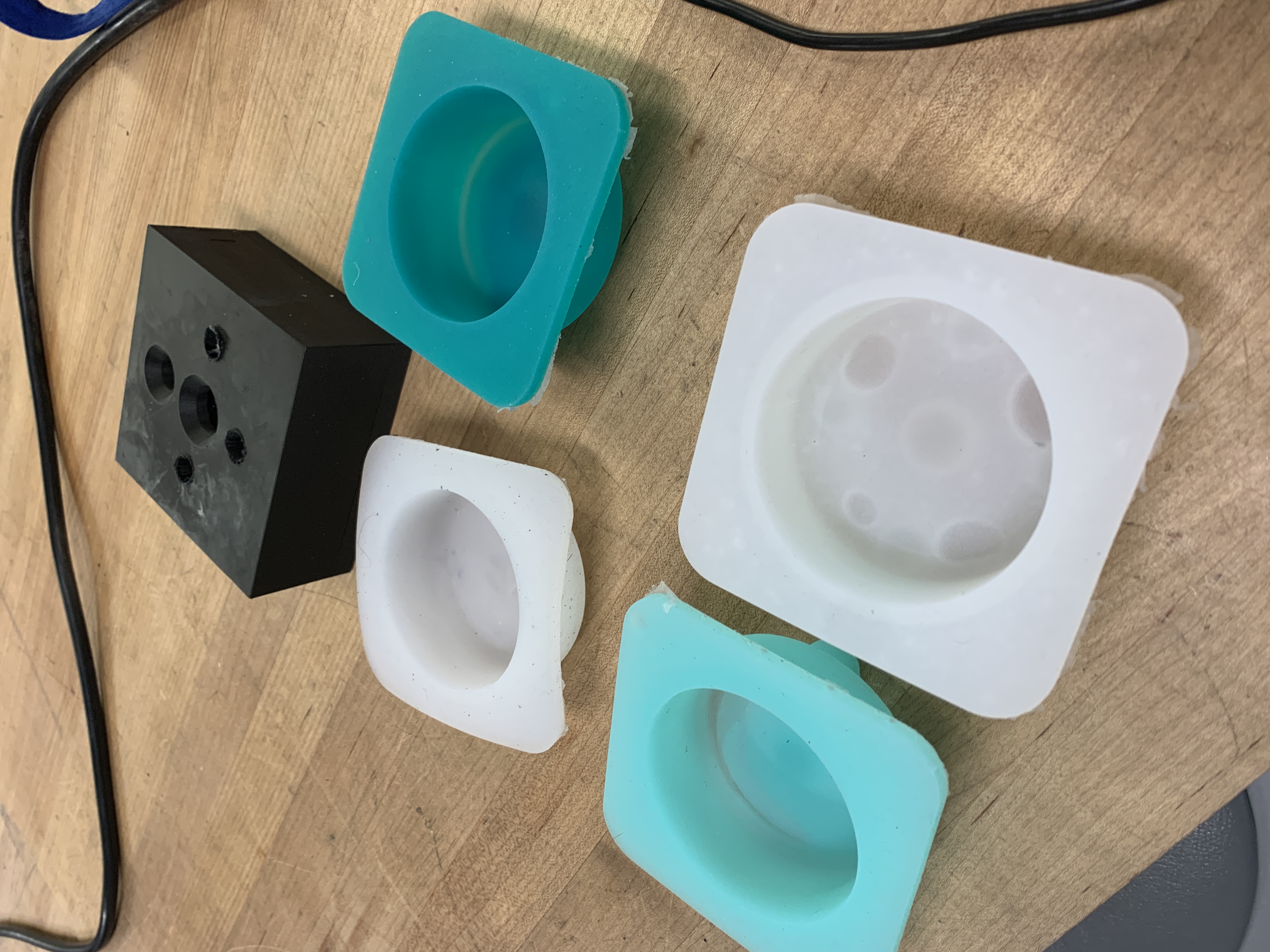
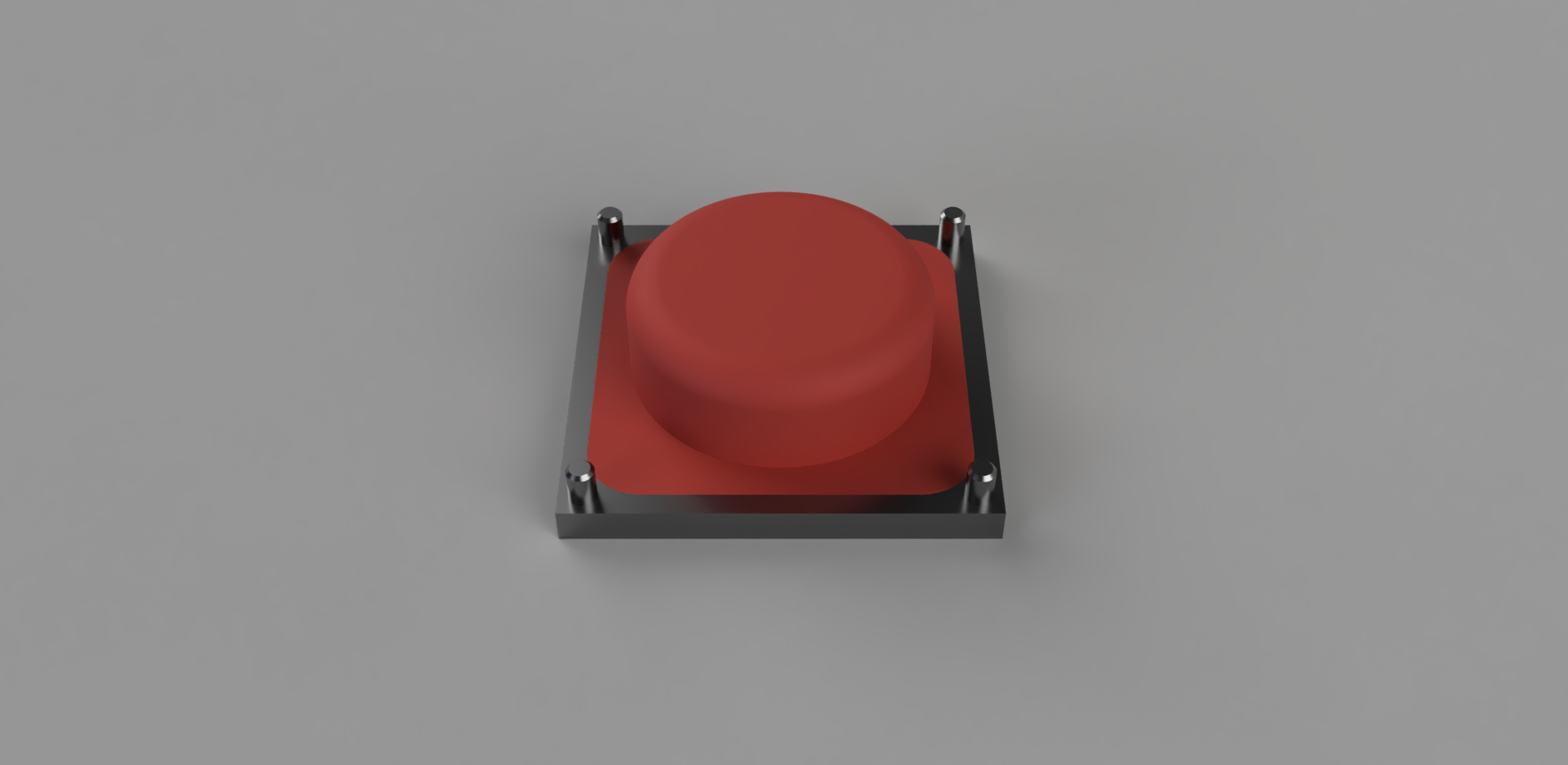
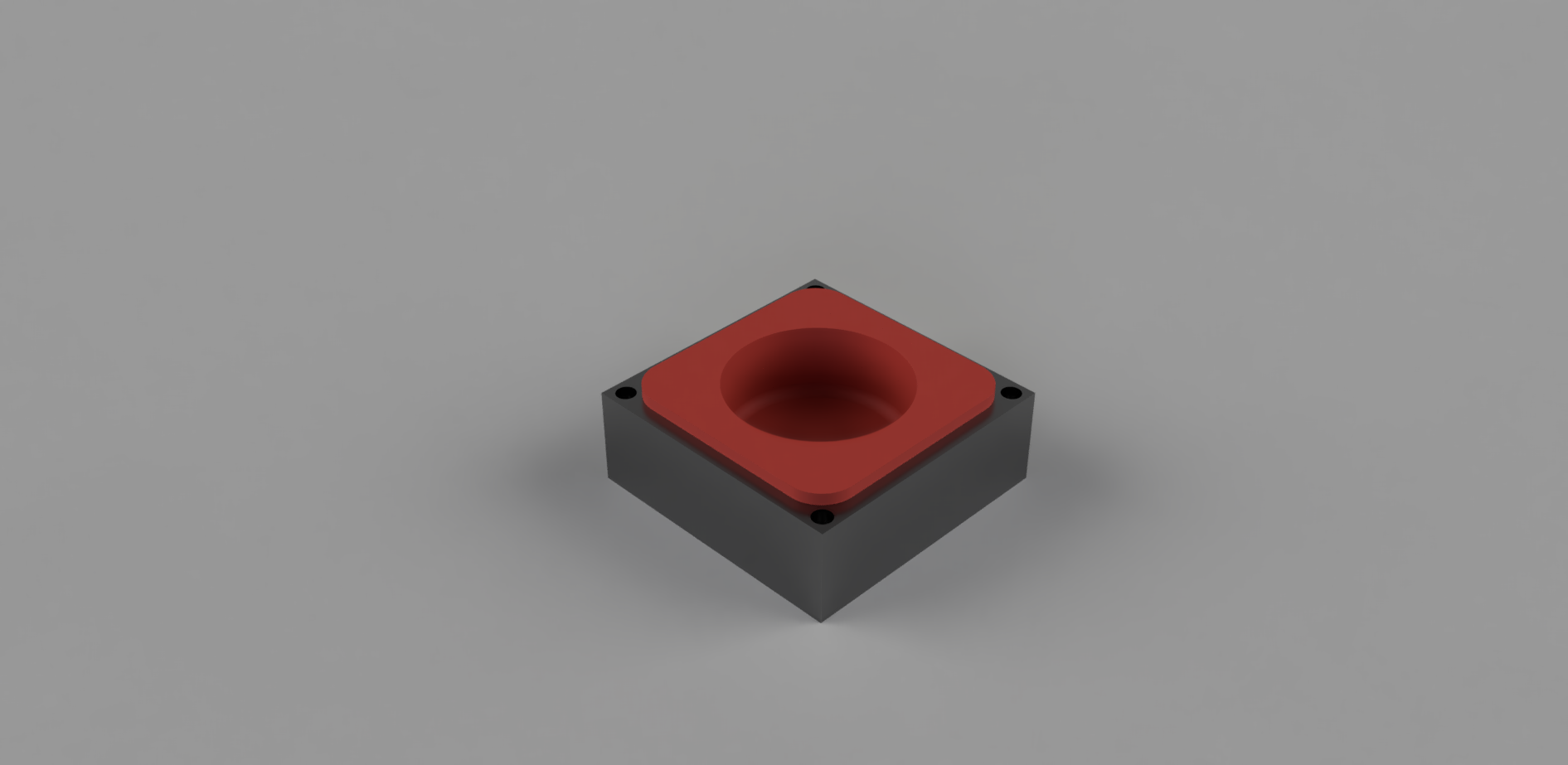
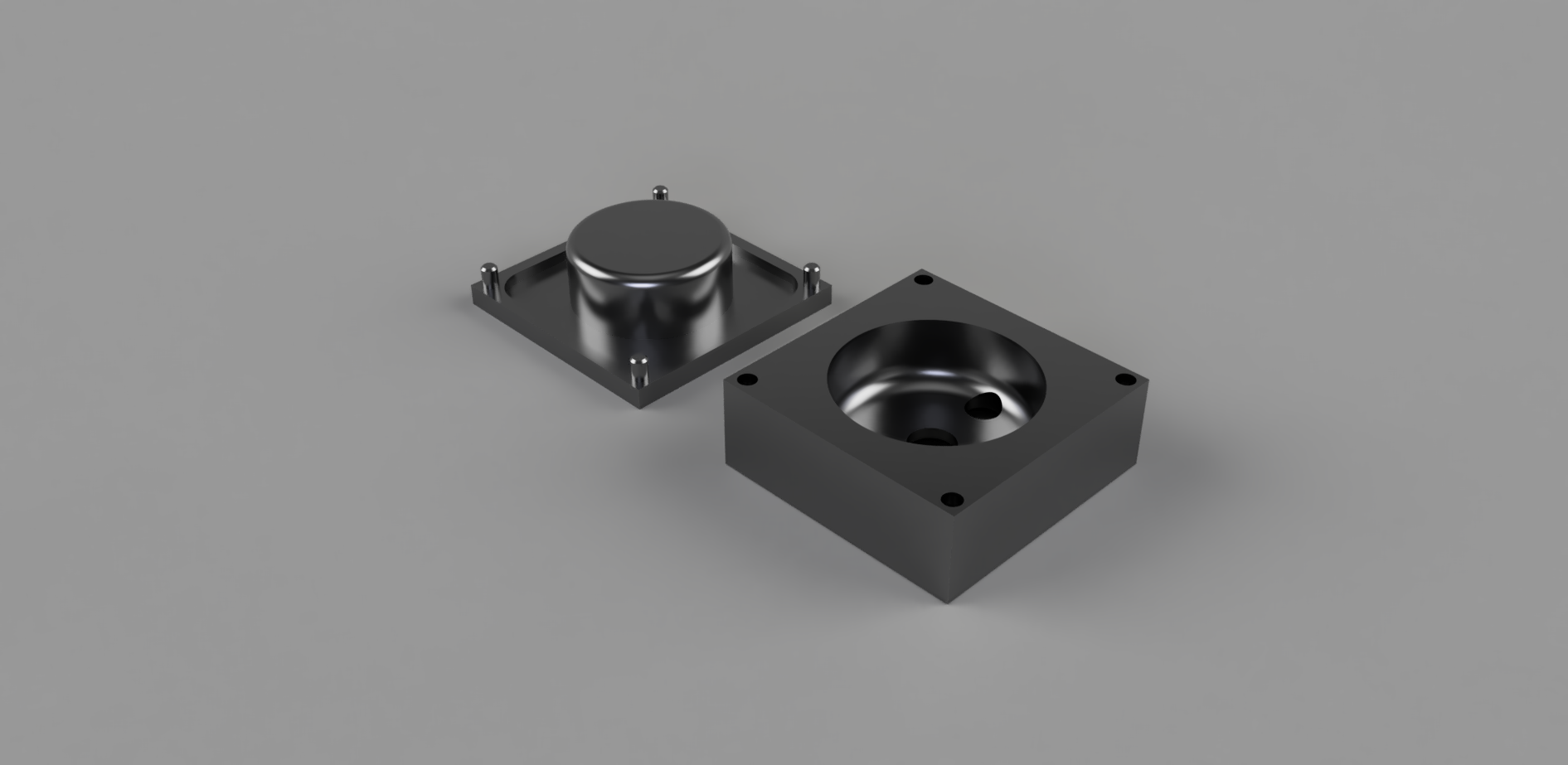
- In order for the ice to fit snugly within the 3 inch PVC body, custom ice molds were created to make 3 inch diameter blocks of ice
- A custom 2-part mold was designed and 3D printed to cast silicone into the shape of the ice mold
Lever Feeder
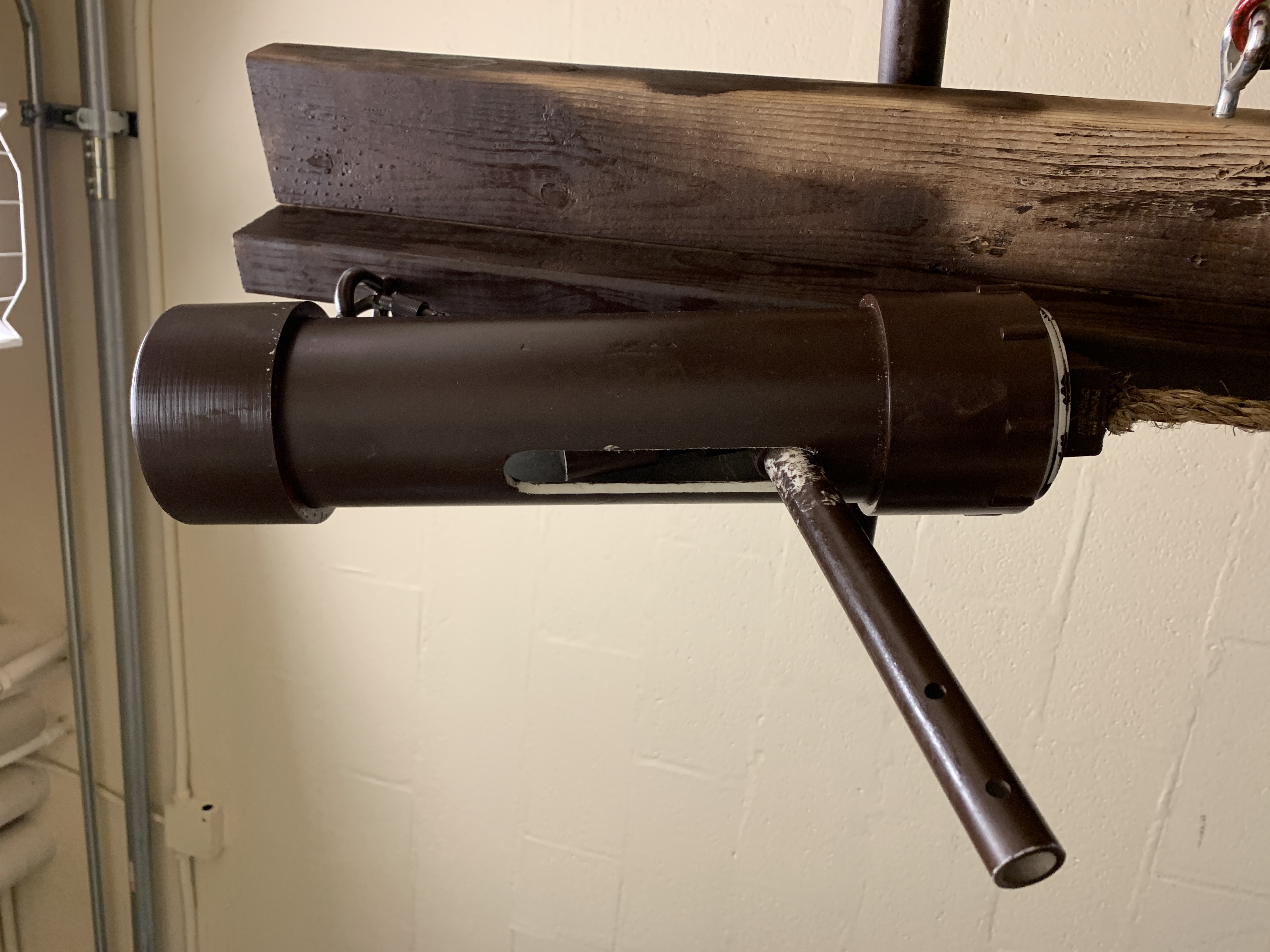
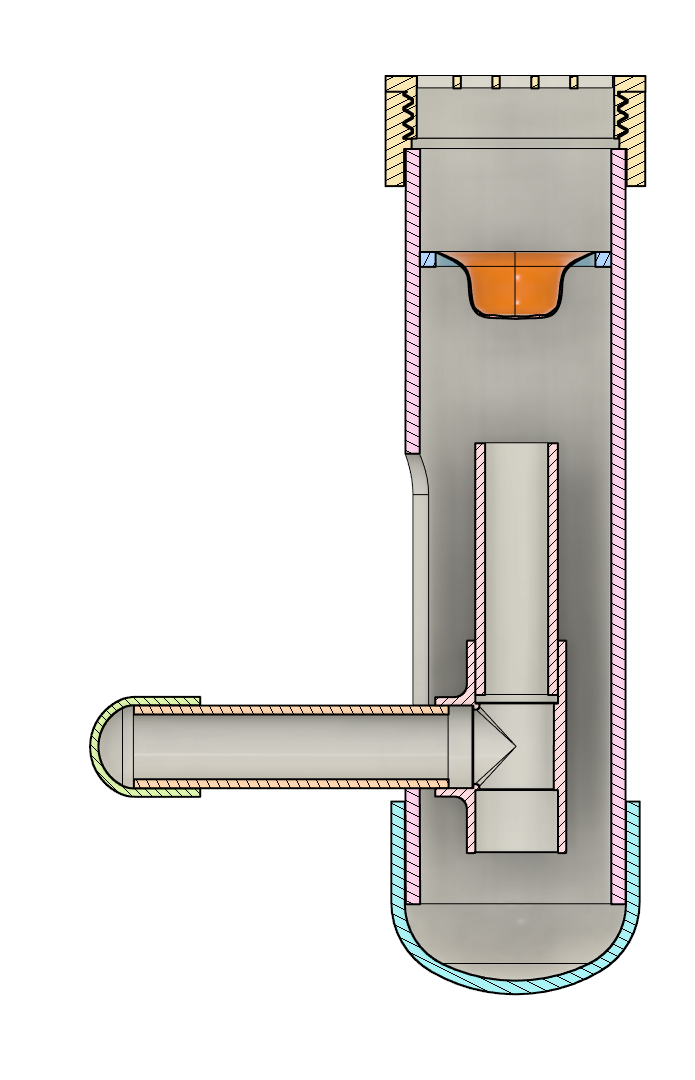
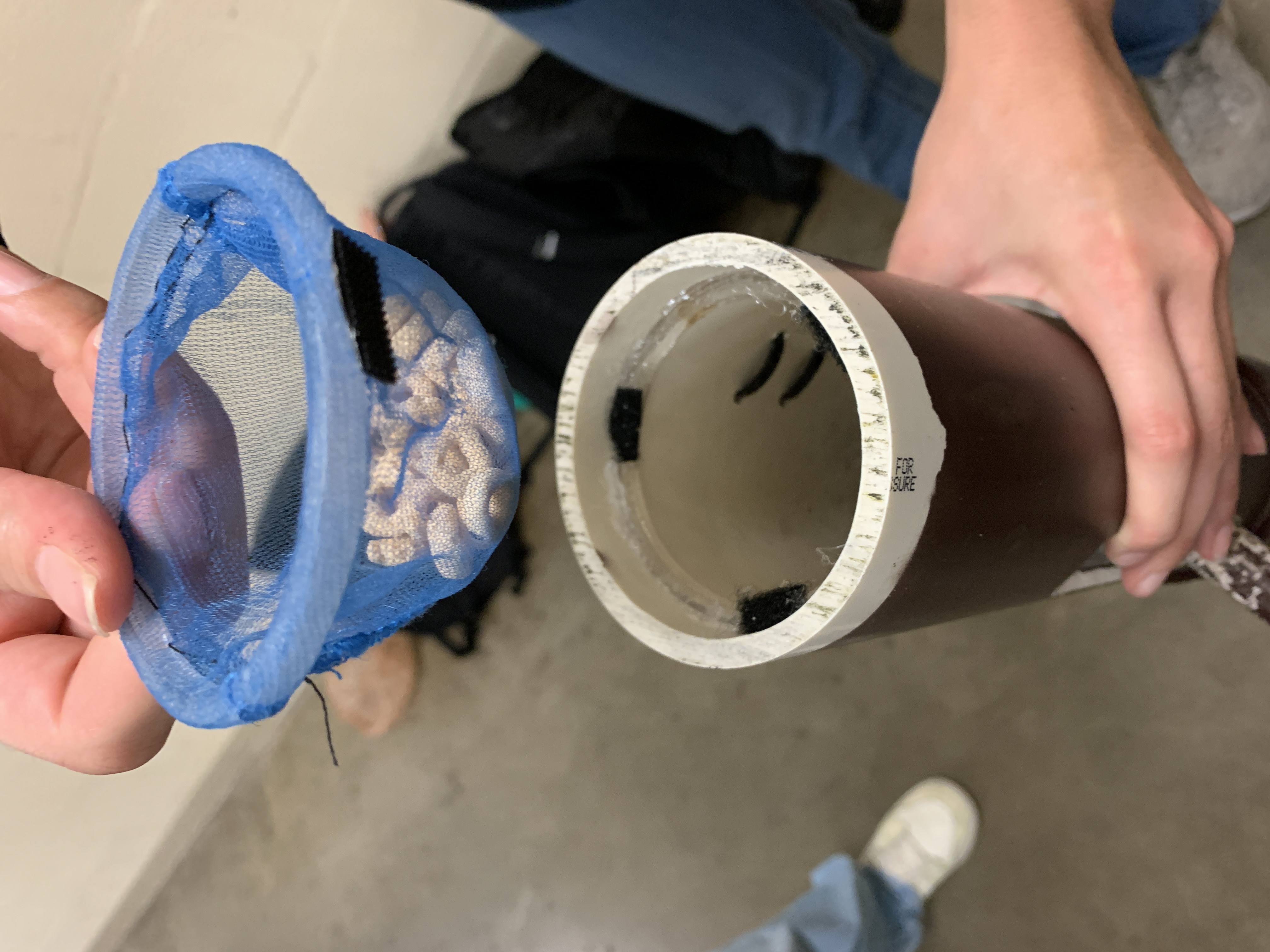
- Our final device focuses on using the destructive nature of the primates for food spreading
- The primates swing a lever up and down where it hits an internal mesh food bag
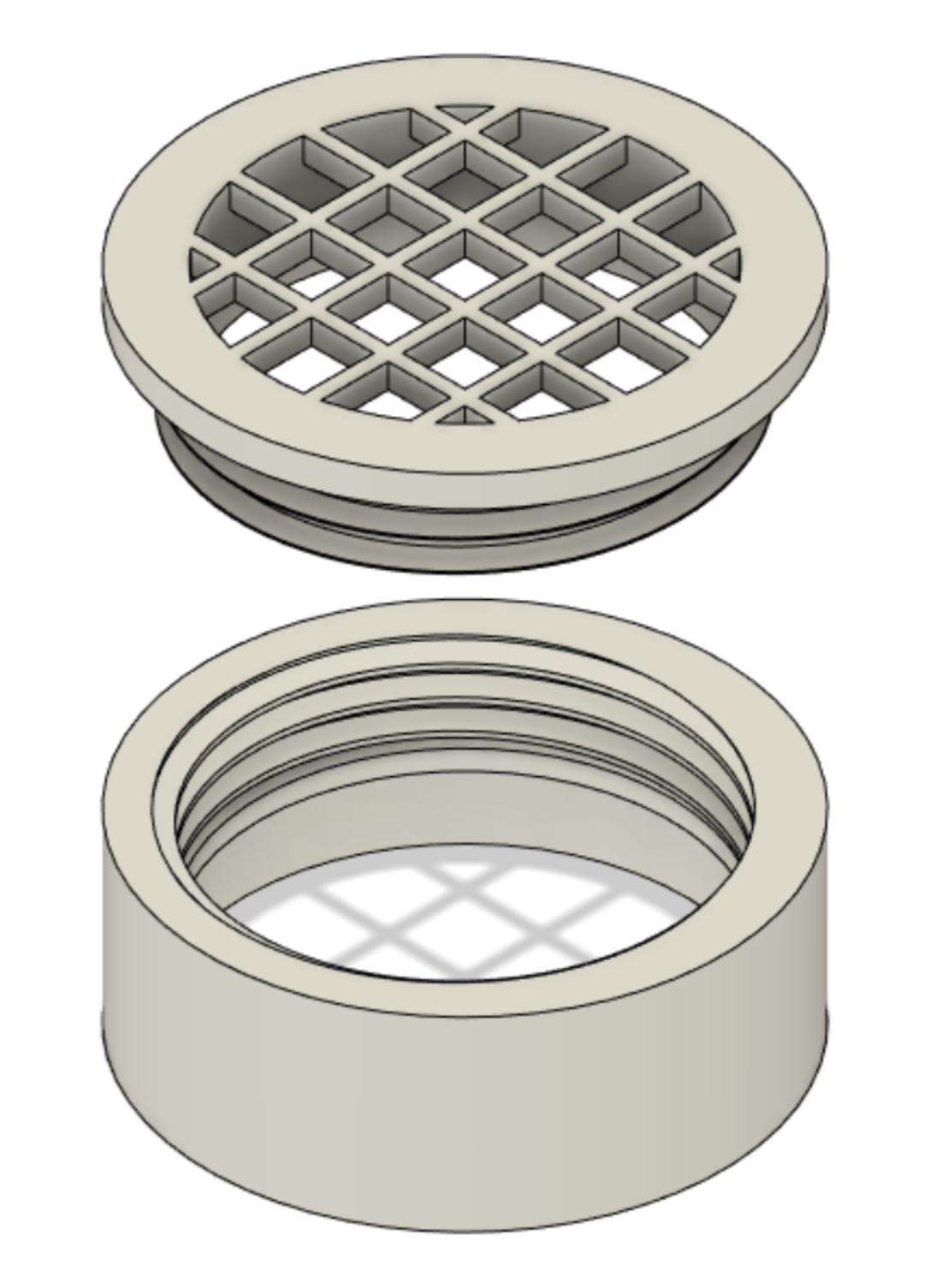
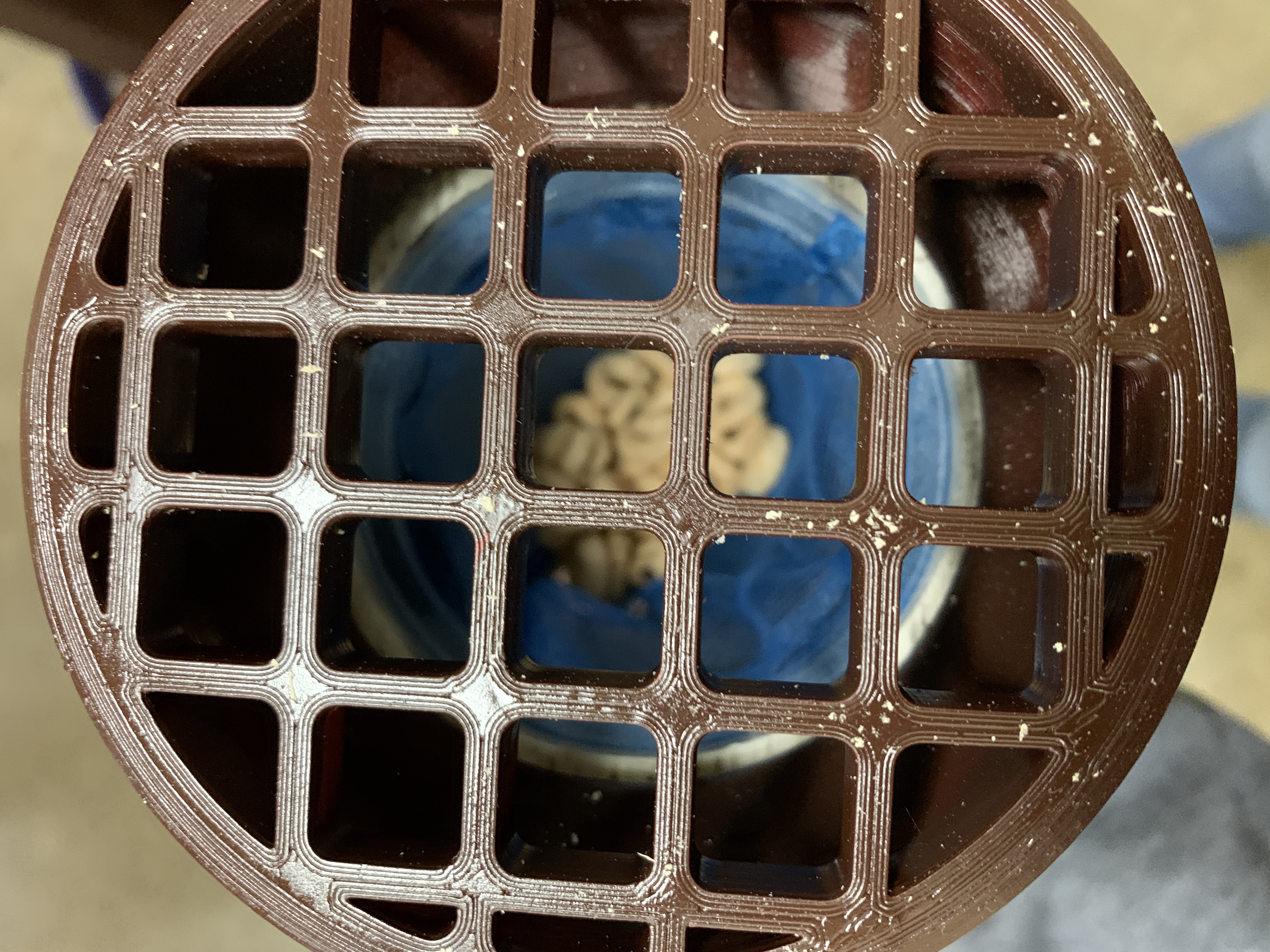
- Each time it is hit, the bag releases a small amount of food out of the top grate
- This grate is a 3D printed screw cap to allow the food bag to be removable
CAD
Puzzle Feeders
Ice Feeder
Lever Feeder
Poster
Team
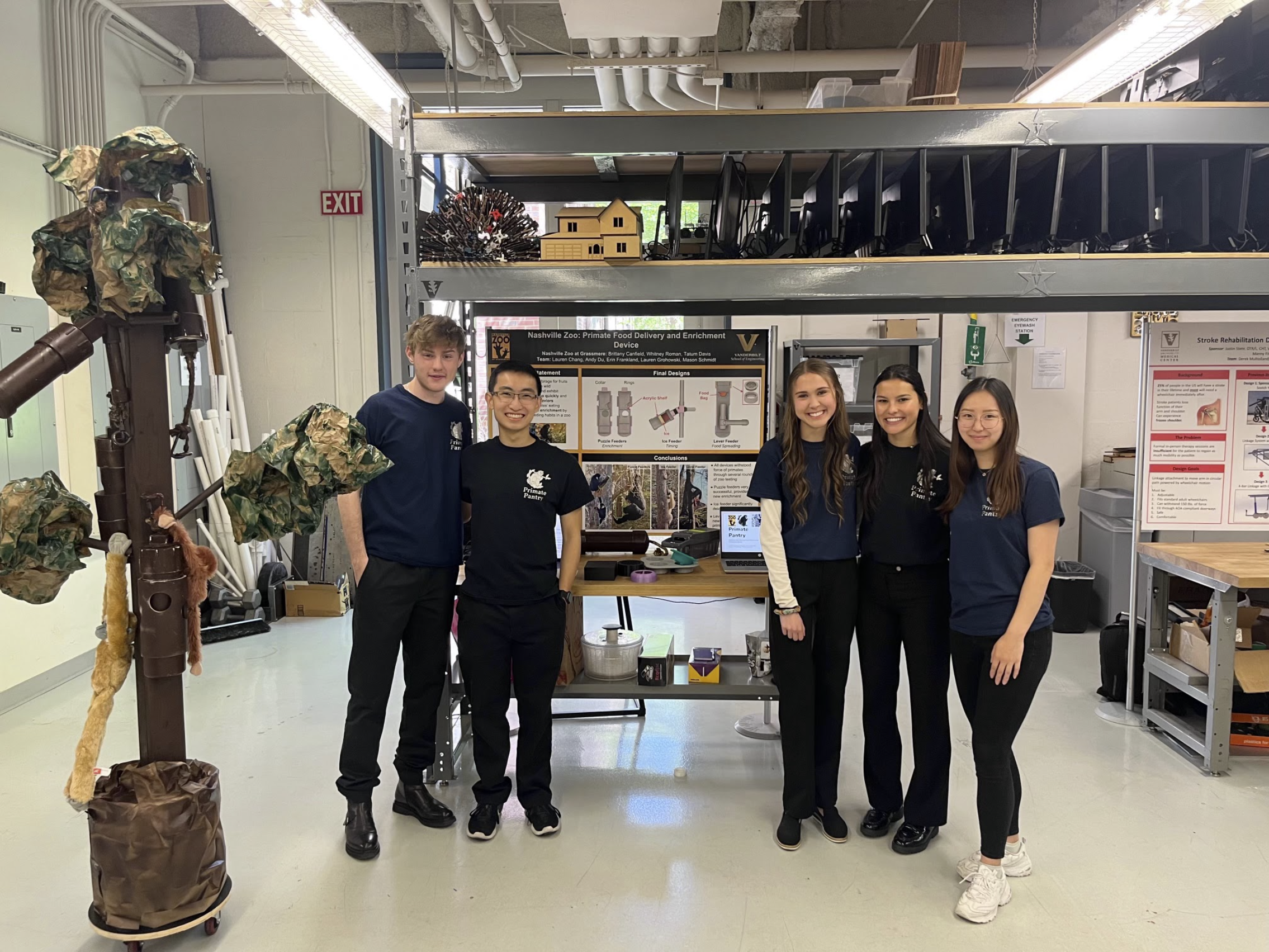
Andy Du, Lauren Chang, Erin Frankland, Lauren Grohowski, Mason Schmidt
Vanderbilt School of Engineering, Mechanical Engineering